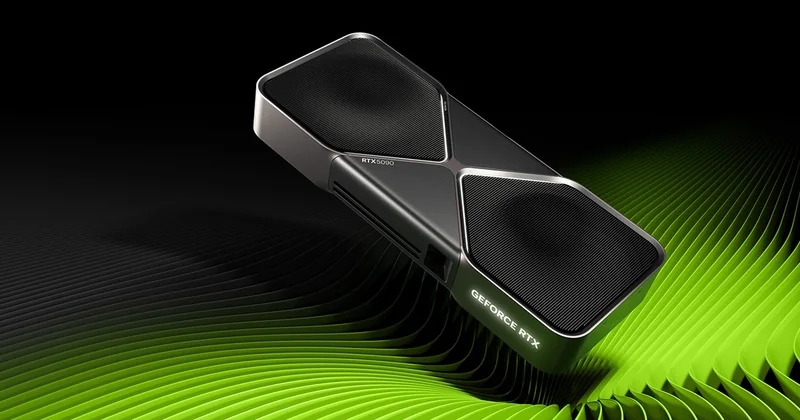
NVIDIA GeForce RTX 5090
NVIDIA’s flagship GeForce desktop GPU powered by the Blackwell architecture with 32 GB of GDDR7 memory for extreme gaming, creators, and local AI.
Comparison
Should you build with a desktop consumer card or step up to a workstation or data-center accelerator? This neutral table summarises key official positioning across top NVIDIA and AMD models.
This comparison is neutral and based on official vendor websites checked on 2026-11-24. It is not a paid ranking.
| GPU | Product tier | Architecture | Primary workloads | Form factor |
|---|---|---|---|---|
| NVIDIA GeForce RTX 5090 | Flagship consumer desktop | NVIDIA Blackwell (32 GB GDDR7) | 4K gaming, path tracing, local AI, creator apps | Desktop PC (PCIe) |
| AMD Radeon RX 9070 XT | Mainstream / high-end desktop | AMD Radeon RX 9000 (64 compute units) | Desktop gaming, Windows & Linux builds | Desktop PC (2x8-pin PCIe) |
| NVIDIA RTX 6000 Ada Generation | Professional workstation | NVIDIA Ada Lovelace | ISV-certified CAD, 3D rendering, local AI | Desktop workstation (PCIe) |
| NVIDIA H200 Tensor Core GPU | Data-center AI accelerator | NVIDIA Hopper + HBM3E | Enterprise LLM inference, training, HPC | Data-center HGX / NVL servers |
| AMD Instinct MI300X | Data-center AI accelerator | AMD CDNA 3 (304 compute units) | Generative AI inference & HPC clusters | Data-center servers |
Choose a desktop GeForce or Radeon card when you want a self-contained PC for gaming, creative work, or single-user local models. Choose workstation or data-center GPUs (or rent them in the cloud) when memory bandwidth, ISV certification, or multi-node server scaling is the priority.
NVIDIA’s flagship GeForce desktop GPU powered by the Blackwell architecture with 32 GB of GDDR7 memory for extreme gaming, creators, and local AI.
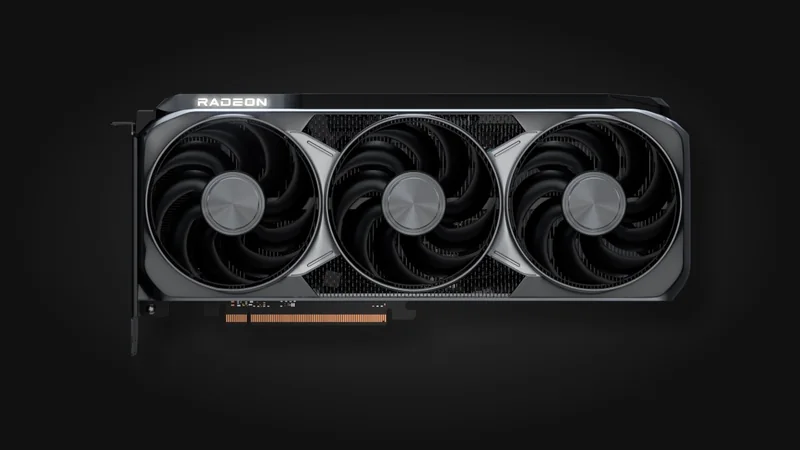
AMD Radeon RX 9000 Series desktop graphics card with 64 compute units, 2x8-pin power, and Windows/Linux support.
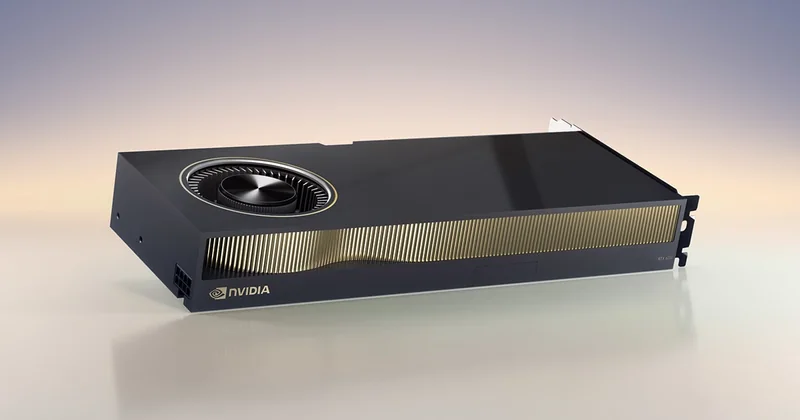
Professional desktop workstation GPU with Ada Lovelace RT and Tensor Cores for CAD, rendering, simulation, and local AI development.
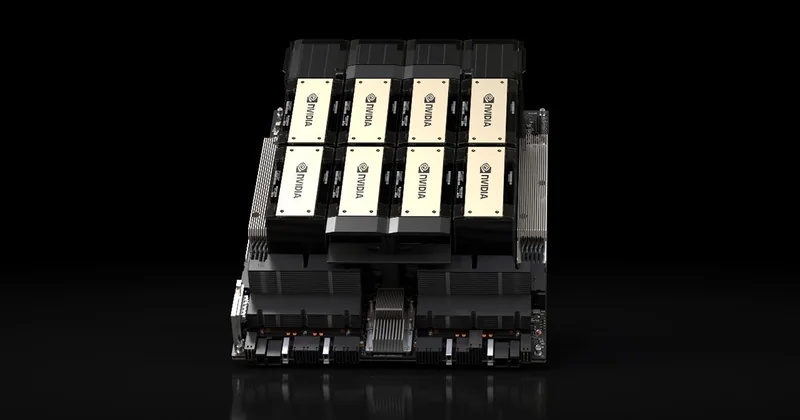
First NVIDIA Hopper GPU equipped with HBM3e memory to accelerate generative AI, large language models, and scientific HPC workloads.
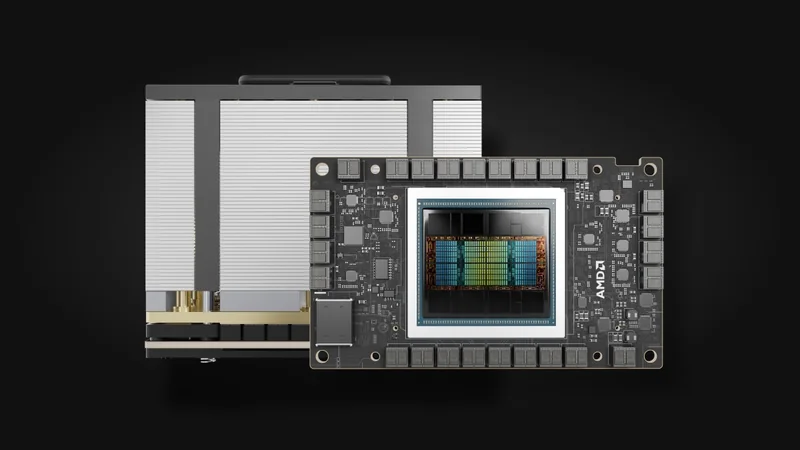
AMD CDNA 3 data-center AI accelerator with 304 compute units and 19,456 stream processors for generative AI and HPC.